
Every winter, New York concrete and masonry go through dozens of freeze-and-thaw cycles. Water soaks into a small crack in a concrete driveway or a worn mortar joint in a brick wall, freezes overnight, expands by about nine percent and pushes the crack wider. Then it thaws, more water gets in, and the cycle repeats. By spring, a hairline crack can be a pothole, a little crumbling mortar can be a loose brick, and a slightly wobbly stoop can be a safety hazard.
The good news: most winter damage to driveways, brick steps and masonry starts with problems you can spot now, in the fall, while it’s still warm enough to fix them. As a masonry and concrete contractor in Canarsie, this is the checklist we walk through with homeowners across Brooklyn and Queens every October and November.
Why winter is so hard on concrete and masonry in NYC
Concrete, brick, stone and mortar all look solid, but they’re porous. They absorb water like a hard sponge. In a city like New York, where winter temperatures swing above and below freezing again and again, that trapped water does the damage. Add rock salt, snowplows, metal shovels and clogged gutters, and it’s easy to see why so many concrete driveways, sidewalks and brick stoops need repair by spring.
The common thread is water. Almost every item below is about keeping water out of your concrete and masonry, or getting it away from them fast.
1. Fill driveway cracks before the first hard freeze
Walk your driveway and look for cracks wider than a credit card, low spots, and edges that are breaking up.
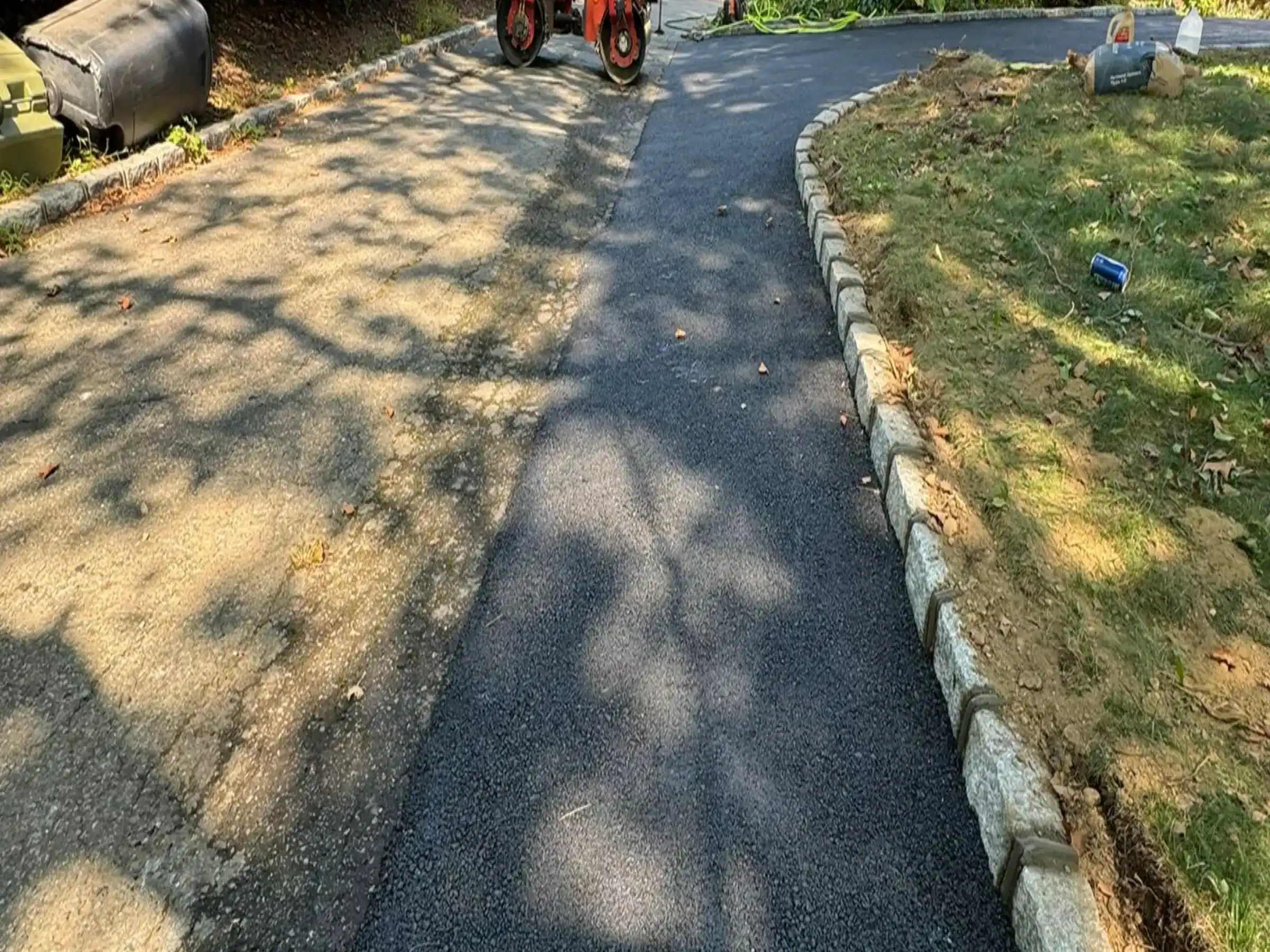
- Asphalt driveways: clean out the crack with a stiff brush or blower, then fill it with a rubberized asphalt crack filler. This seals out the water that would otherwise reach the stone base underneath.
- Concrete driveways: narrow cracks can be cleaned and sealed with a flexible concrete crack sealant. Cracks that are wide, growing every year, or where one side of the slab sits higher than the other usually mean the base under the concrete has washed out or settled. In that case the section often needs to be broken out and re-poured.
- Paver driveways and walkways: look for sunken or rocking pavers and joints that have lost their sand. Refill the joints with polymeric sand, and have sunken areas lifted and re-leveled before winter.
Filling cracks is cheap. Fixing the base after a whole winter of water getting under the slab is not. Read more about concrete driveway repair and replacement and asphalt driveway paving and repair.
2. Sealcoat asphalt and seal concrete now, or wait until spring
Sealers protect driveways from water, salt and oil, but they need the right weather to cure.
- Asphalt sealcoating needs dry days above about 50°F. In New York that window usually closes in late October or early November.
- Concrete sealers (including sealers for stamped concrete) also need mild, dry weather to soak in and cure. A good penetrating sealer helps keep water and de-icing salt out of the surface.
If you miss the window, don’t seal in the cold. The sealer won’t bond and can peel or turn cloudy. Fill the cracks now and plan to seal in spring.
3. Clear gutters, drains and low spots
Most concrete and masonry damage is really water damage, and a lot of that water comes off your roof.
- Clean gutters and make sure downspouts point away from the driveway, brick steps, walkways and foundation. A downspout that dumps onto a stoop or a concrete slab all winter will wear it out fast.
- Clear leaves out of driveway drains, trench drains and area drains.
- After a rain, look for puddles on the driveway, patio or sidewalk. Standing water freezes into ice patches and pushes into every crack around it. A concrete slab that has sunk and holds water may need to be leveled or replaced.
4. Check your brick stoop and front steps
Brick stoops and front steps take more punishment than any other masonry on a Brooklyn or Queens home: rain, ice, salt, shovels and constant foot traffic. Walk up and down your steps and look for:
- Loose or rocking bricks on the treads
- Cracked, sandy or missing mortar between the bricks
- Cracked or loose caps on the top step or side walls
- A gap opening up where the stoop meets the house
- Steps that feel uneven, tilt forward, or wobble underfoot
- Loose or rusted railings where they anchor into the brick or concrete
Mortar needs temperatures above about 40°F to cure properly, so fall is the right time to reset loose bricks, replace broken ones and repoint worn joints on a stoop. A small brick step repair now is much cheaper than a full stoop rebuild in spring, and it keeps your family and visitors safer on icy days.
5. Look at concrete steps, sidewalks and walkways
Concrete steps and sidewalks crack, chip and spall (the top surface flakes off) for the same reasons driveways do. Watch for:
- Chipped or broken step edges (nosings), which are a tripping hazard
- Raised or sunken sidewalk flags that create a lip
- Spalling or flaking surfaces, often a sign of salt damage
- Cracks running across the full width of a walkway
In New York City, property owners are generally responsible for the sidewalk in front of their property, so it pays to fix trip hazards before snow and ice make them worse.
6. Inspect brick walls, pointing and chimneys
Worn mortar is one of the most common ways water gets into a brick building. Stand back and look at your walls, parapets and chimney. Signs you may need raking and pointing (also called repointing or tuckpointing) or brick repair:
- Mortar that’s recessed, sandy, or rubs off on your finger
- Stair-step cracks running through the mortar joints
- Bricks with the face flaking or popping off (spalling brick)
- White, chalky staining on the brick (efflorescence), which means water is moving through the wall
- Water stains or peeling paint on inside walls near windows, the roofline or the chimney
Raking out old mortar and repointing with a matched mortar seals the wall and stops water from getting in behind the brick. Like stoop repairs, pointing is best done before temperatures stay below 40°F. If you spot problems too late in the season, keep an eye on them and plan the masonry repair for early spring.
7. Use the right de-icer on concrete and brick
Rock salt melts ice, but it’s hard on concrete and masonry. Salt draws in extra water and makes freeze-thaw damage worse.
- New concrete (poured in the last 12 months): avoid rock salt the first winter. Use sand for traction instead.
- All concrete and brick: avoid de-icers that contain ammonium nitrate or ammonium sulfate. They chemically attack concrete.
- Calcium magnesium acetate (CMA) and calcium chloride are generally gentler choices than rock salt.
- Use as little as you need, and shovel first so the de-icer only has to work on a thin layer.
8. Go easy with shovels and snow blowers
Metal shovel edges and snow-blower blades can chip pavers, catch the edges of brick steps, gouge stamped concrete and scrape asphalt. A plastic-edged shovel, or keeping the blower blade slightly raised, saves the surface. If you hire a snow-removal service, ask them to mark the driveway edges and any Belgian block border so the plow doesn’t catch them.
Fall masonry and concrete checklist
- Fill asphalt and concrete driveway cracks
- Reset sunken pavers and refill paver joints
- Sealcoat asphalt or seal concrete if it’s still above 50°F; otherwise plan it for spring
- Clean gutters and point downspouts away from steps and slabs
- Clear driveway drains and leaves
- Check brick stoop bricks, mortar, caps and railings
- Look for trip hazards on concrete steps and sidewalks
- Check brick walls and chimneys for worn mortar and spalling
- Buy a masonry-safe de-icer and a plastic-edged shovel
Frequently asked questions
Can concrete or masonry repairs be done in winter?
Some can, but it’s harder. Concrete and mortar need to stay above freezing while they cure, which in winter means blankets, heaters or waiting for a mild stretch. For most homeowners, fall and spring are the best seasons for concrete driveway, brick stoop and pointing work.
Is a crack in my concrete driveway a big deal?
Thin, stable cracks are normal and can usually be sealed. Cracks that keep growing, slabs that have lifted or sunk, and water pooling toward the house are signs of a base problem, and those are worth having a concrete contractor look at before winter.
How do I know if my brick needs repointing?
If you can scrape mortar out of the joints with a key, the mortar sits well back from the face of the brick, or you see stair-step cracks or water stains inside, it’s time to have a masonry contractor take a look.
Not sure what your driveway, stoop or brickwork needs?
Send us a photo. We’ll tell you whether it’s a quick repair you can get done before winter, something that can wait until spring, or a bigger job. Momentum Builders Group is a licensed masonry and concrete contractor based on Rockaway Avenue in Canarsie, building and repairing concrete and asphalt driveways, pavers, brick stoops and steps, and brick walls for homes across Brooklyn and Queens.
Call or text (646) 995-0732 or request a free estimate.